
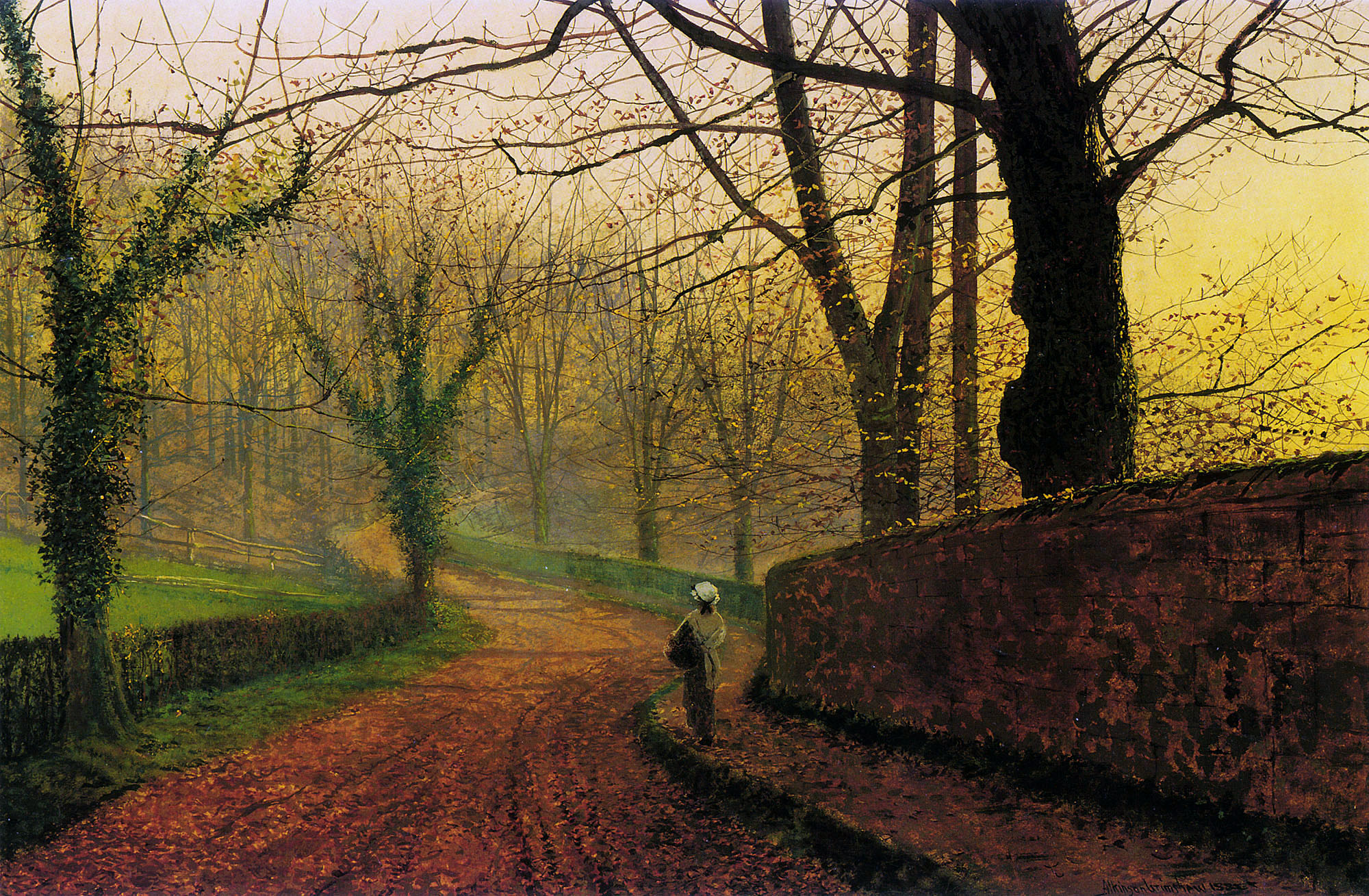
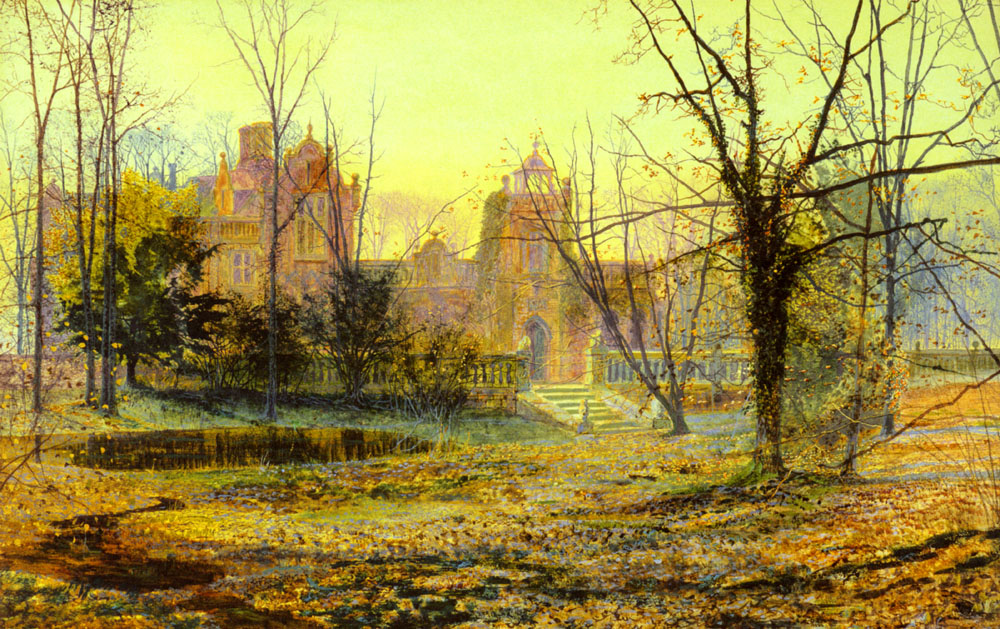
If a picture says a thousand words this one could tell a novel. One of the things that makes Grimshaw’s painting so special is the wider storyline he encourages the observer to imagine for themselves ~ where is this girl going? What are her dreams, her aspirations? Which, if any, of the big houses does she work for? Is she happy? What thoughts occupy her mind as she wanders through the burnished leaves on her way back from the village? Stapleton Park near Pontefract (1877) is the picture above that first caught my eye in Country Life and inspired me to learn more about the 19th-century artist John Atkinson Grimshaw, a man whose paintings so vividly portray the varied industrial and rural landscapes of 19th-century England that I decided to pick my favourites and learn more about this amazing artist who takes you back in time to the Victorian era.
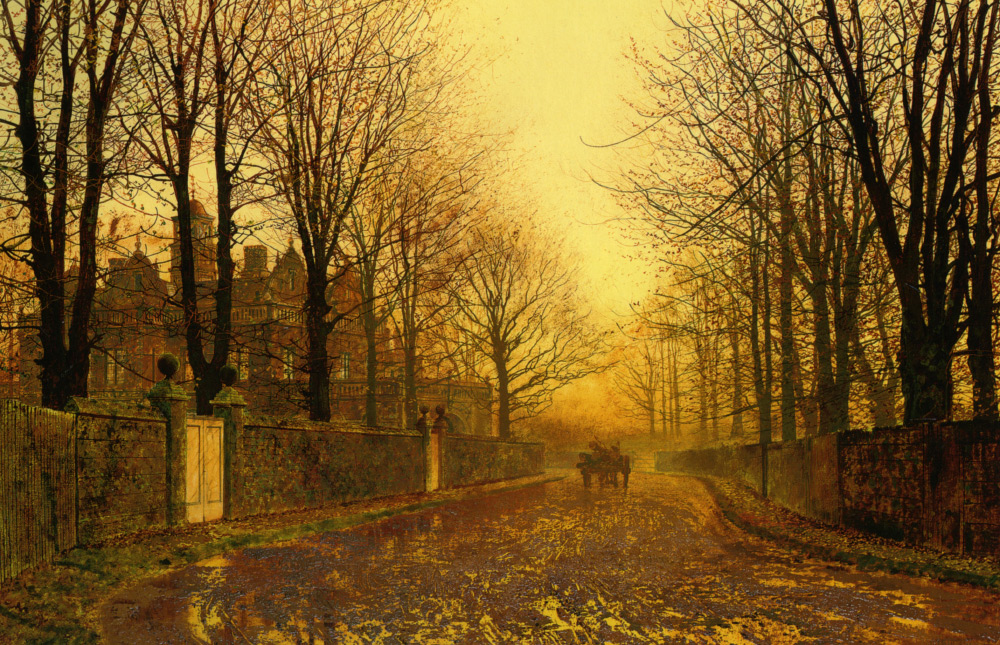
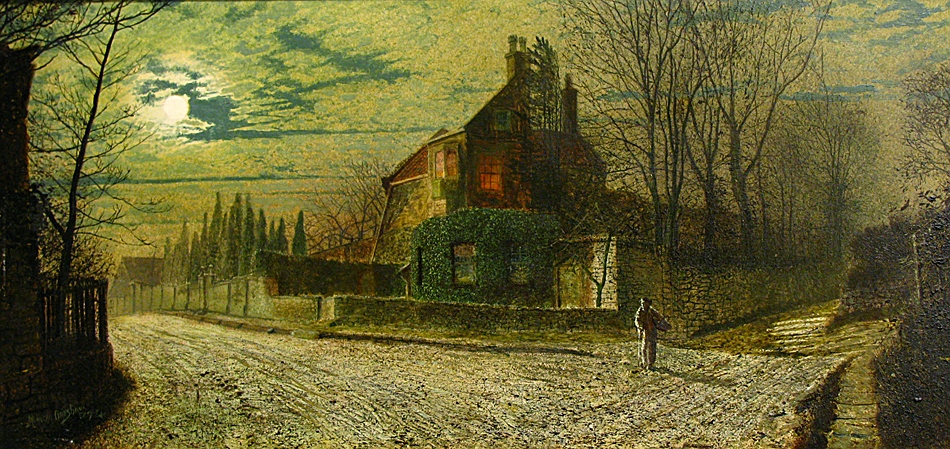
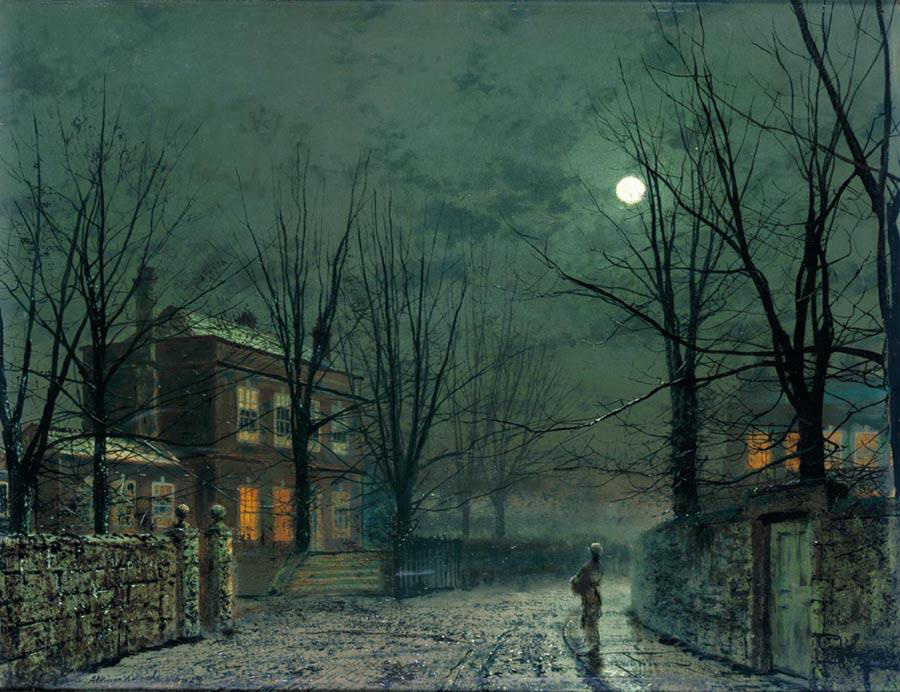
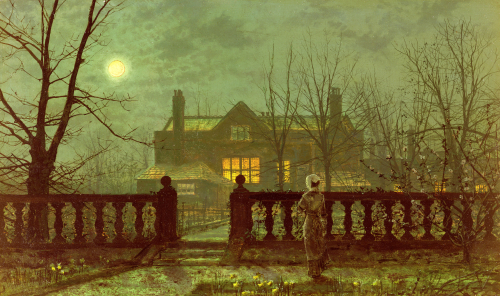
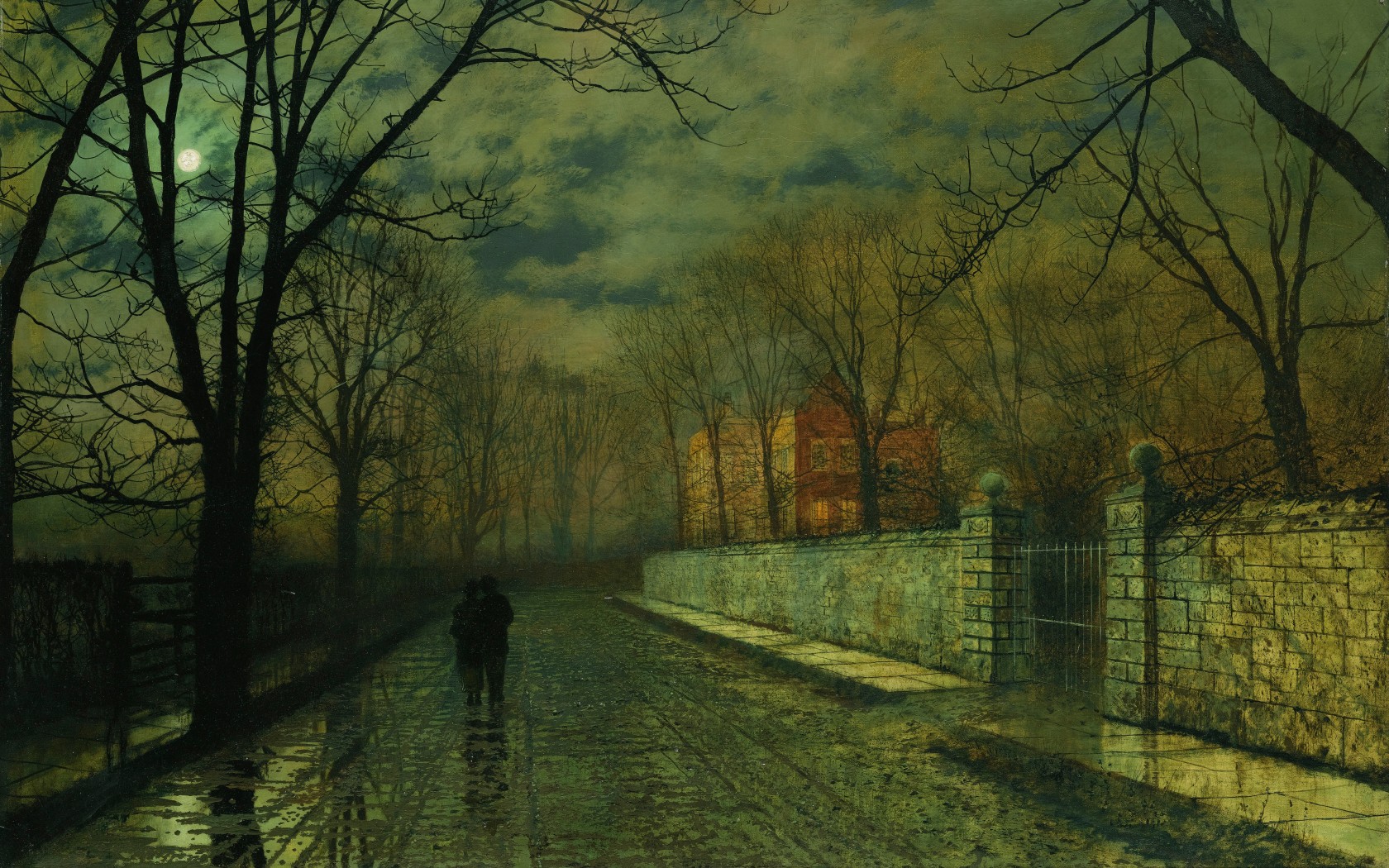
One of the ways the artist attained such realism and texture in his paintings was the use of unconventional and natural materials in his work. For example, Grimshaw was often known to mix sand and other ingredients with his paint to get the texture he needed.
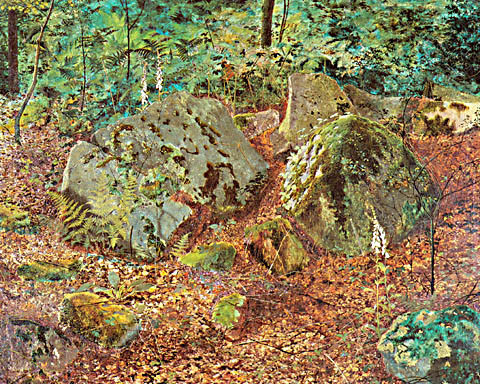
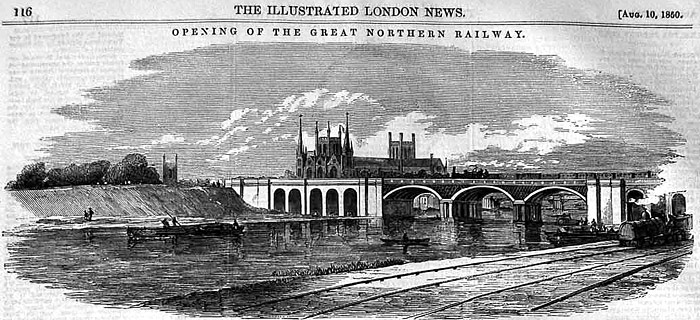
Grimshaw’s story as an artist is an impressive one. He rose from a family ostensibly against his decision to leave his ‘safe’ job as a clerk on the Great Northern Railway to embark on an uncertain and unknown artist’s career at the age of 24. Yet by 1880, despite suffering a financial crisis, his creative output often totalled as many as 50 paintings a year, mostly for private clients. In fact, Atkinson Grimshaw’s work was so popular that many of his paintings were imitated and forged during his lifetime.
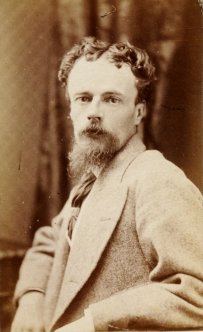
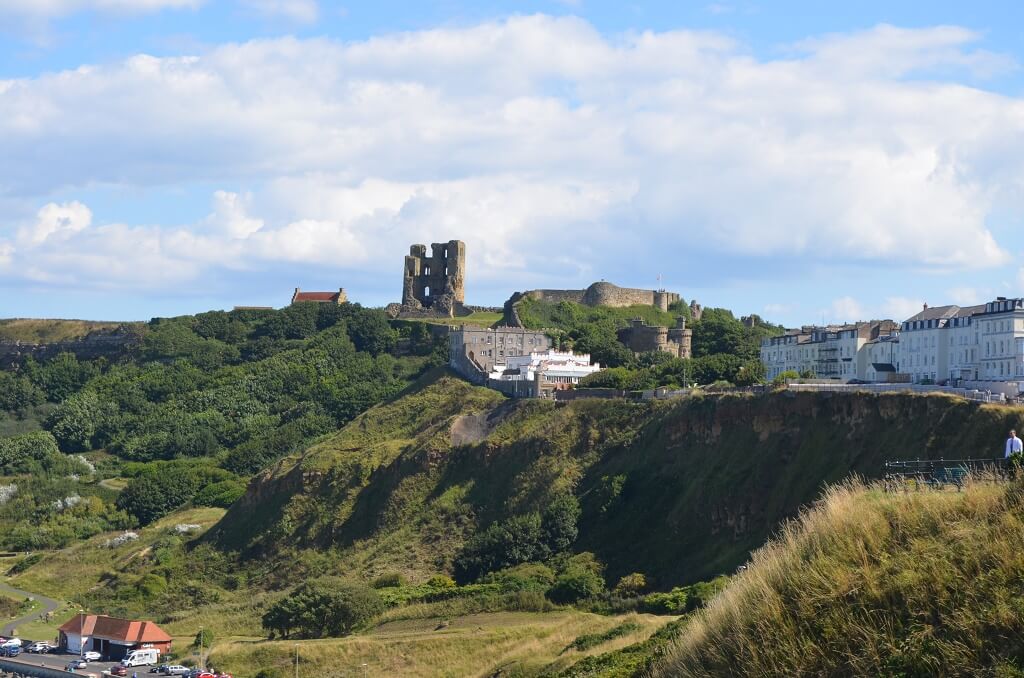
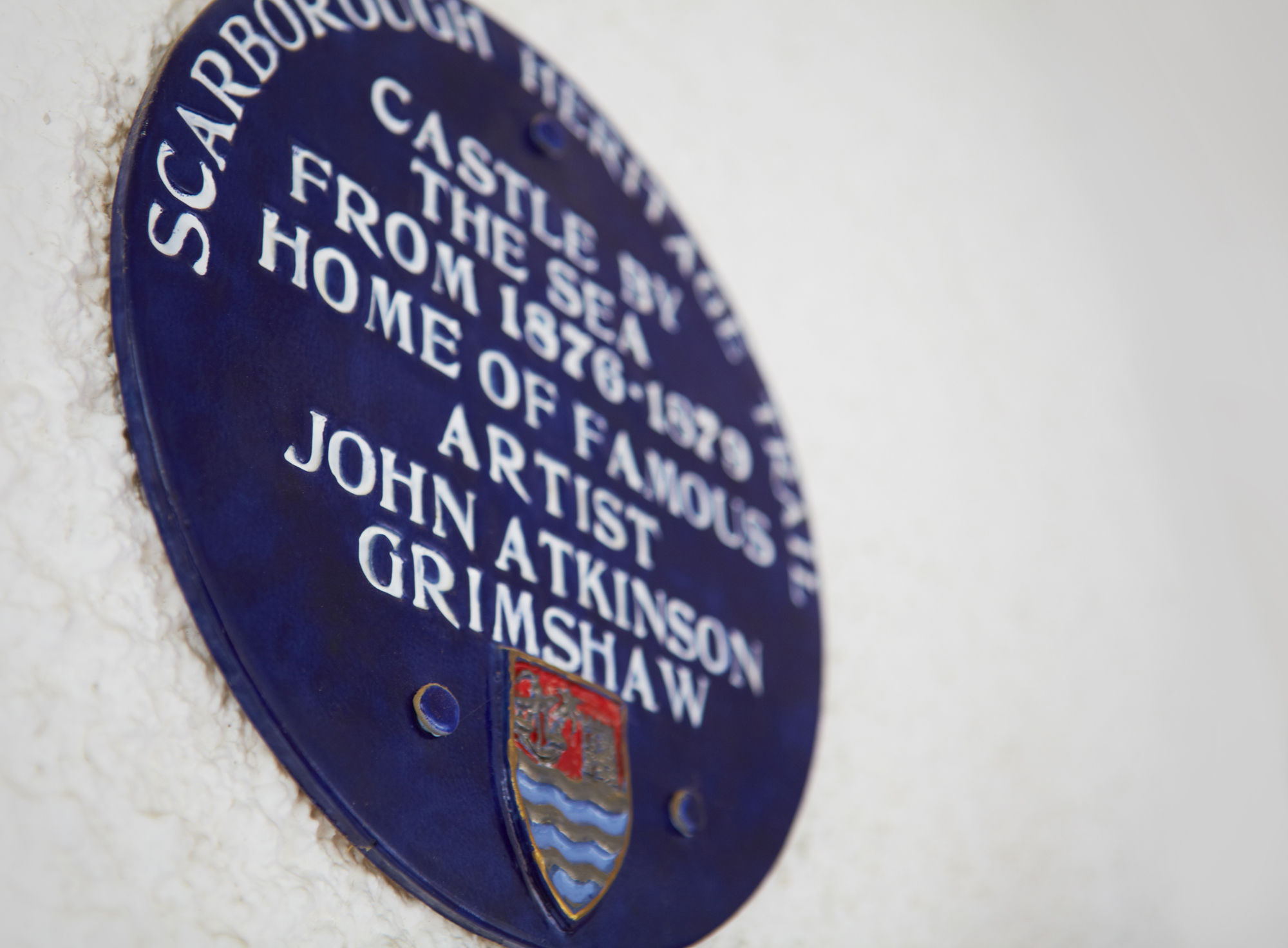
Born in Leeds in September 1836, Grimshaw remained for much of his life in the north of England at Knostrop Old Hall, a family home, progressing to a second home in Scarborough, which he called ‘The Castle by the Sea’ after a favourite poem of his by Henry Wadsworth Longfellow. One can still visit his Scarborough home today, and its coastal views inspired many of the seascapes he is now famous for, serving as the perfect study of moonlight on water.
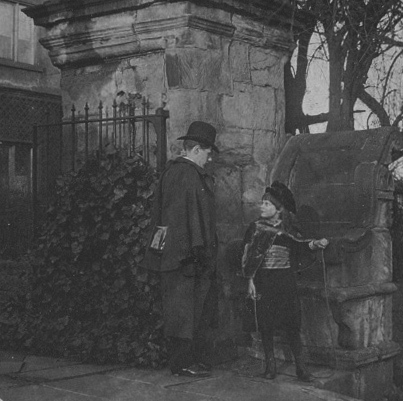
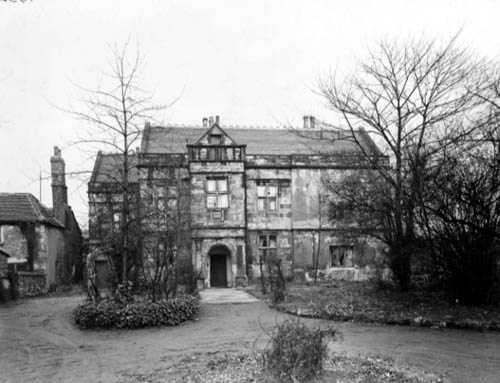
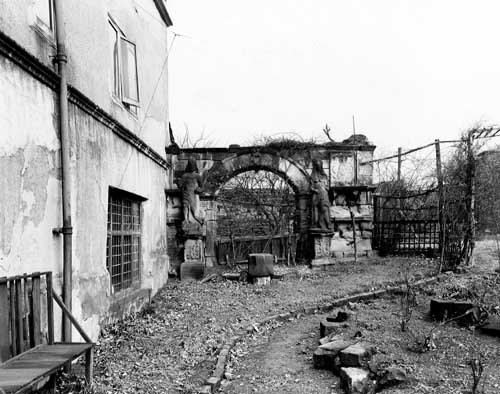
Knostrop Old Hall, a 17th-century house built by the first MP of Leeds, fell into disrepair and, although inhabited up until 1959, was sold for £50 in 1960 and quickly demolished. It lives on, however, in many of the artist’s paintings.
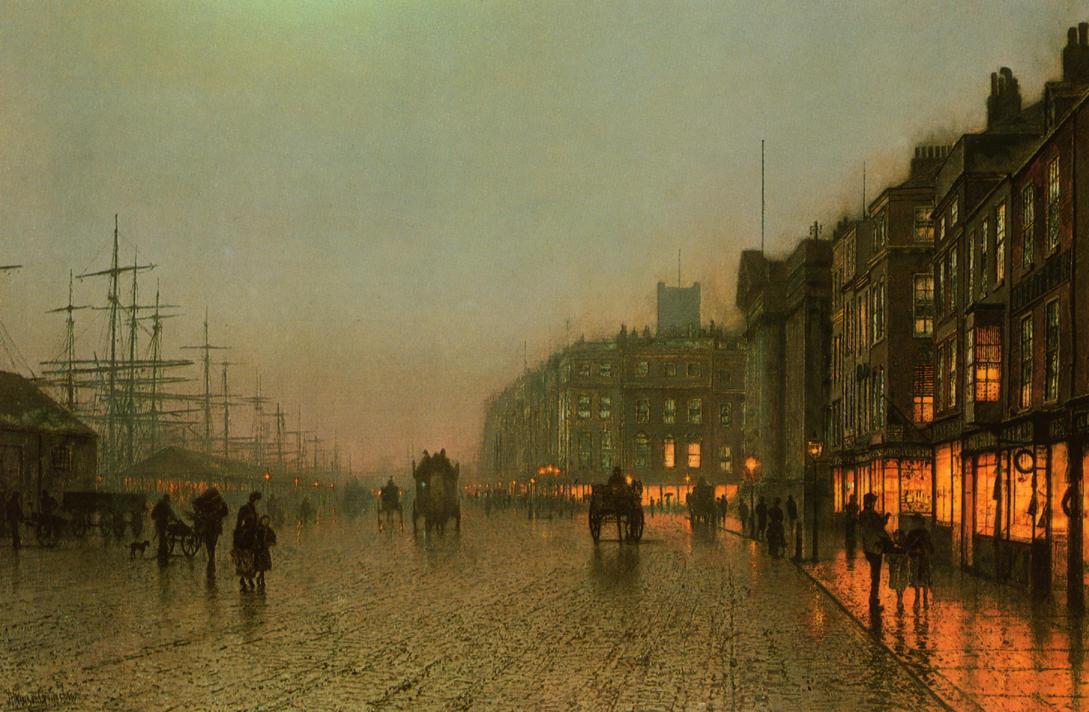
Amongst other regular spots, John Atkinson Grimshaw’s most frequented docks to paint by were those in Whitby, Glasgow, London, Leeds and Liverpool. I have personal connections to three of these cities ~ Whitby, Leeds, and London – and I think one of the reasons these pictures are so fascinating for me is that they really do offer a portrait of light and life as it was at that time ~ misty, murky, and, if not overcast, bathed in moonlight.
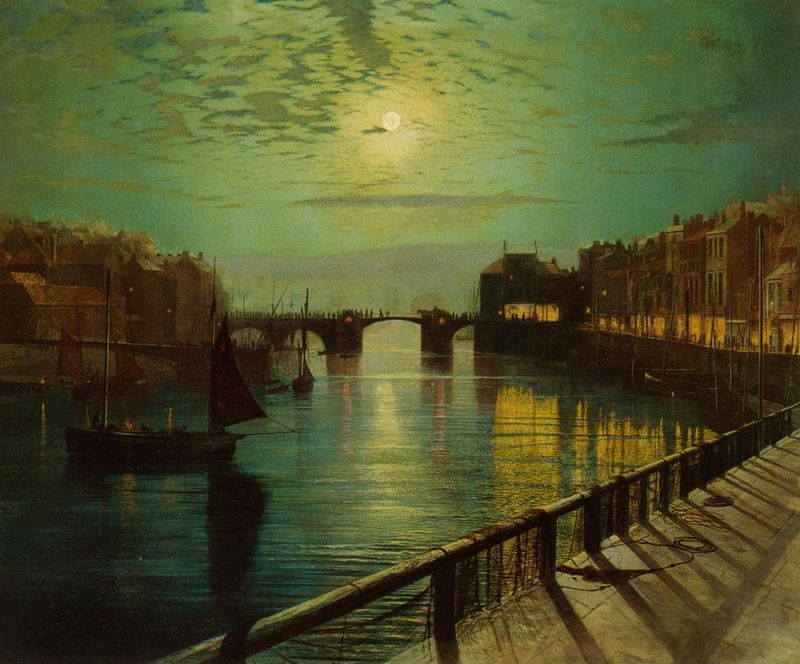
My family and I love Whitby ~ you can see whales in the spring if you go out on the boats and it has the best second-hand bookshops!
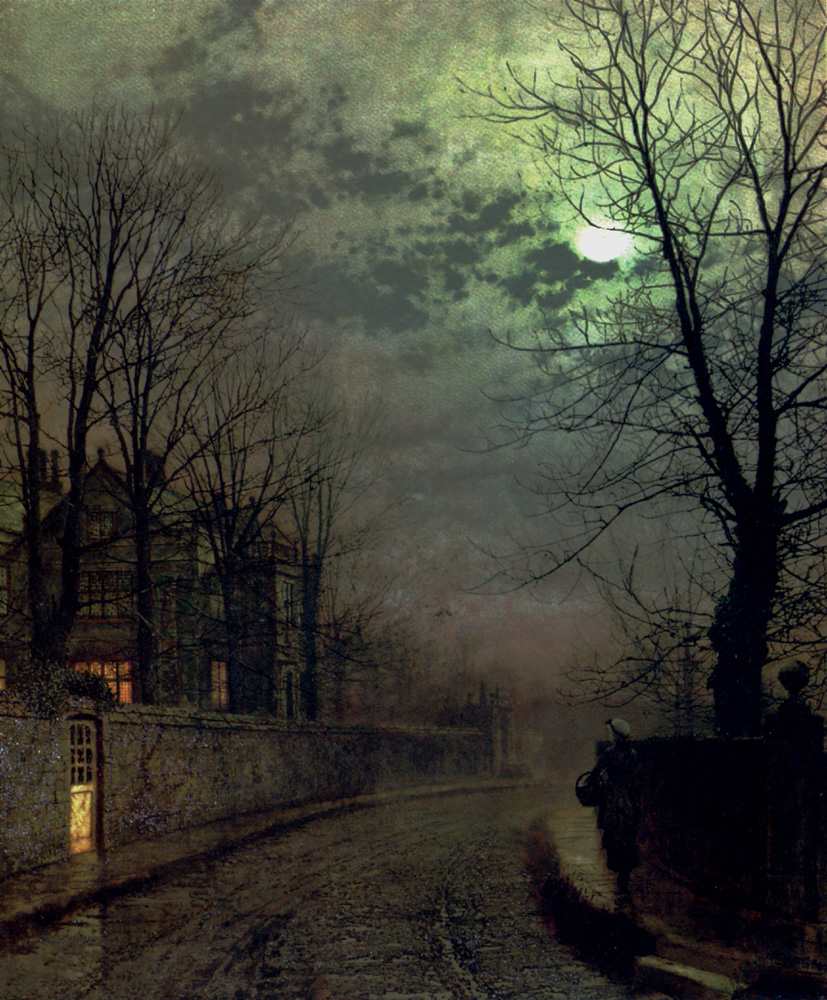
Headingley is where my sister used to live.
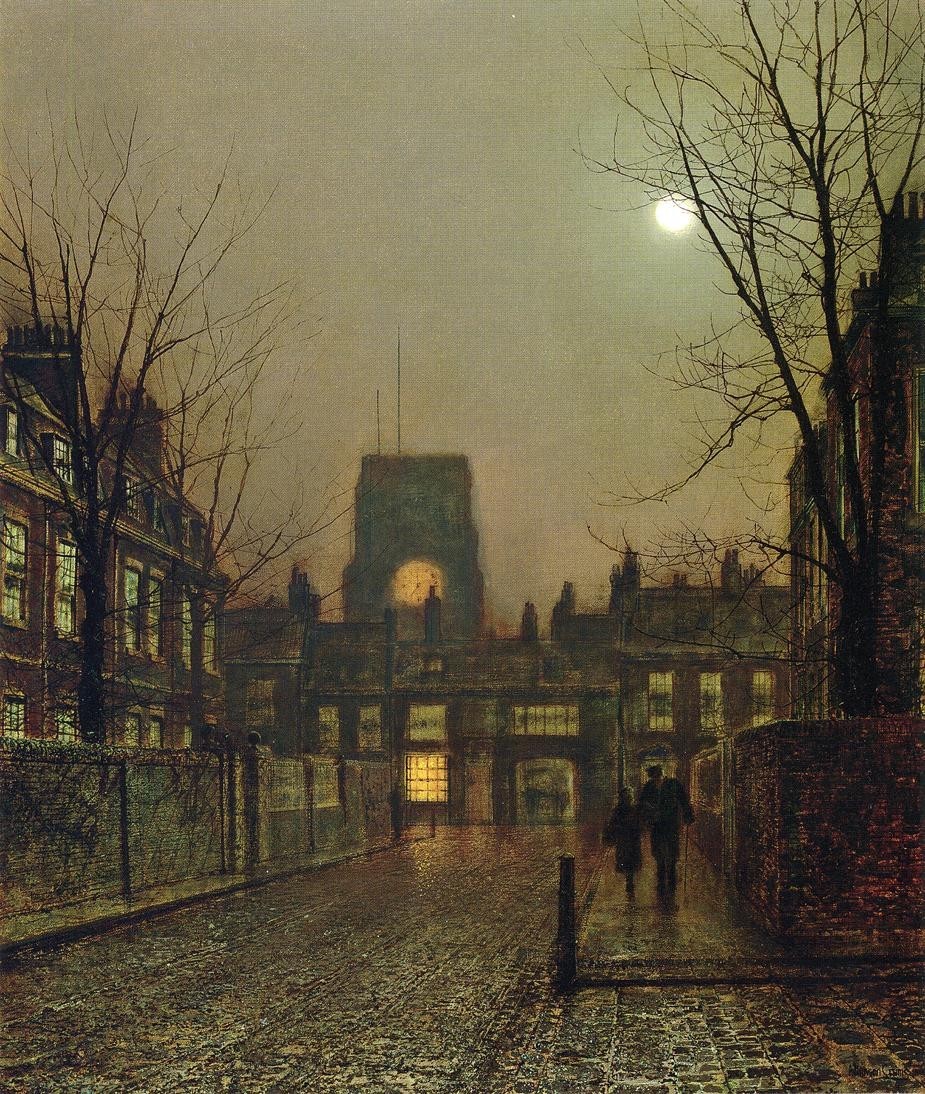
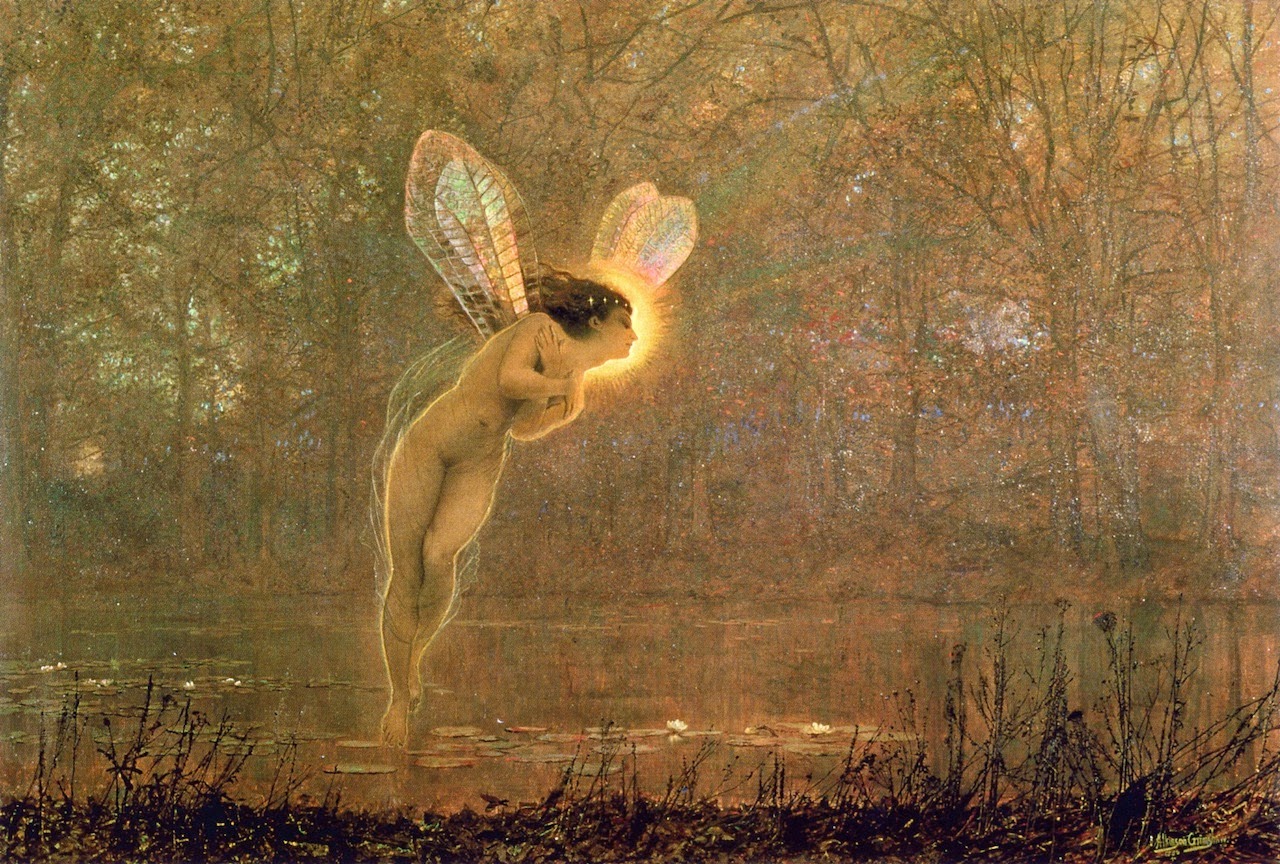
Old Chelsea still looks like this today! I recommend The Cross Keys pub ~ they do great seafood and champagne! The beautiful paintings of Victorian England’s industrial and rural landscapes that are left to us today are the product of both natural talent and a great deal of hard work. Although Grimshaw was inspired by the Pre-Raphaelite painters, he was completely self-taught and went on to become one of the best-loved and varied artists of the Victorian period, as can be seen by his female studies and fairy personifications of nature and the seasons below.
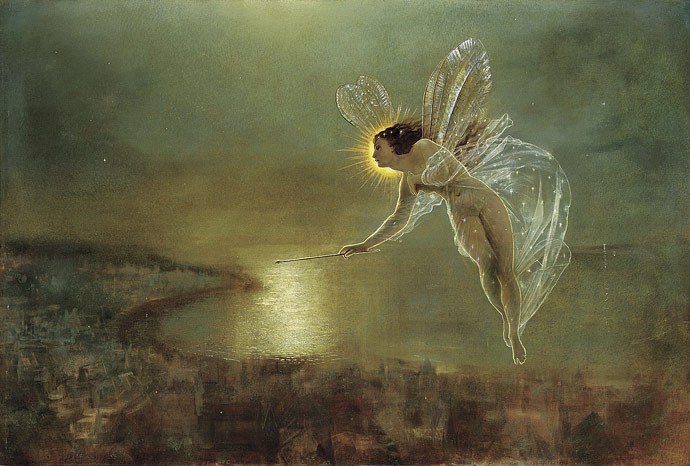
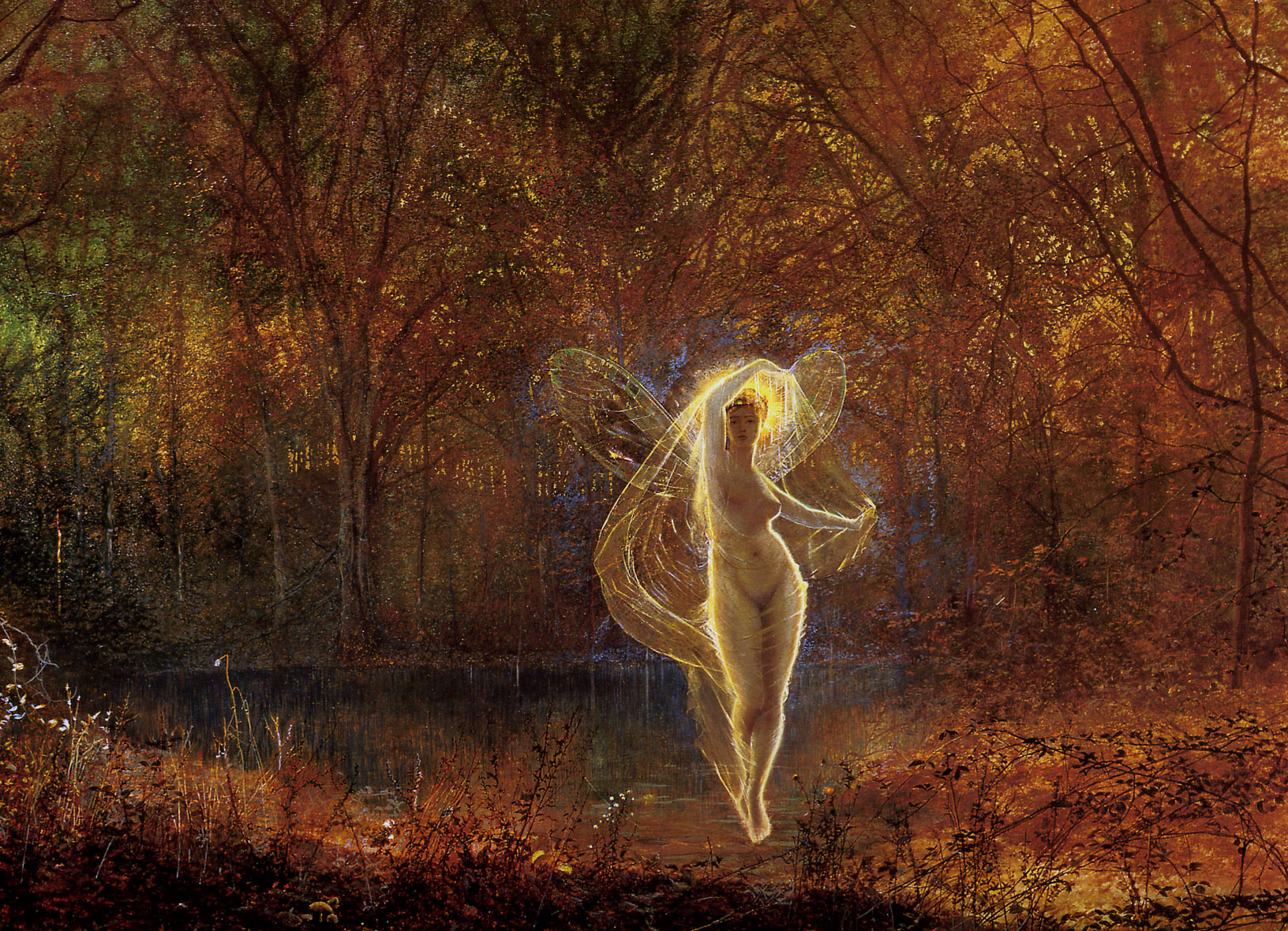
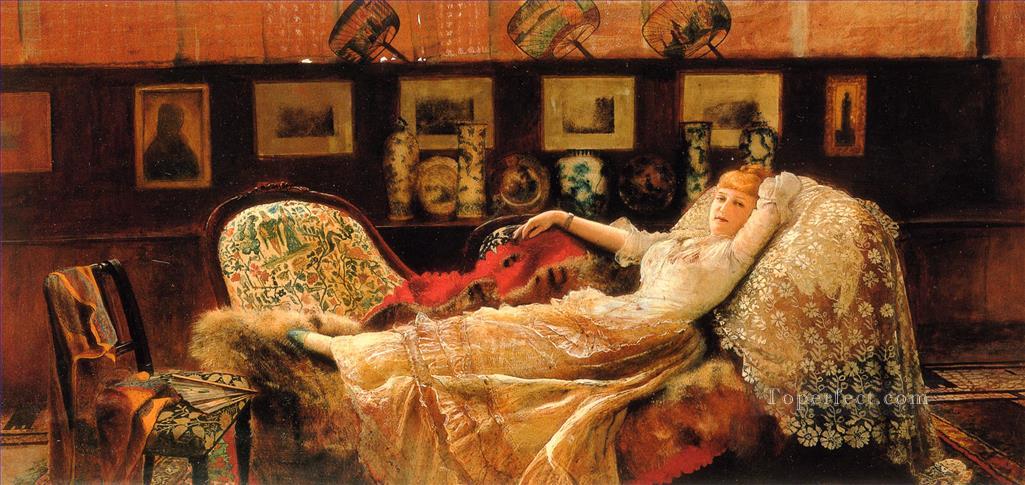
Prints of his works are still widely circulated today for everyone to enjoy. We have just bought our very own framed print, and you can buy more here.
And that, ladies and gentlemen, is the magic of John Atkinson Grimshaw. Sweet dreams…
In Love&Light, FS XOX
 For All Things Angels
Leave a comment